

Consolidated Air Freight: Ship Smarter, Not Just Faster
Air freight is fast. But fast doesn’t always have to mean expensive.
If you’re an importer or exporter shipping smaller consignments, you may be paying more than necessary simply because your cargo isn’t large enough to fill a full air freight booking.
That’s where consolidated air freight comes in.
Instead of moving your shipment on its own, a freight forwarder combines it with other compatible cargo travelling in the same direction. The cost of the air freight movement is then shared between the shipments.
It sounds simple.
Behind the scenes, though, there’s quite a bit to get right.
At Future Forwarding Co Ltd, we help businesses find the right balance between cost, transit time and reliability, whether you’re exporting from the UK or importing goods from overseas.
What exactly is consolidated air freight?
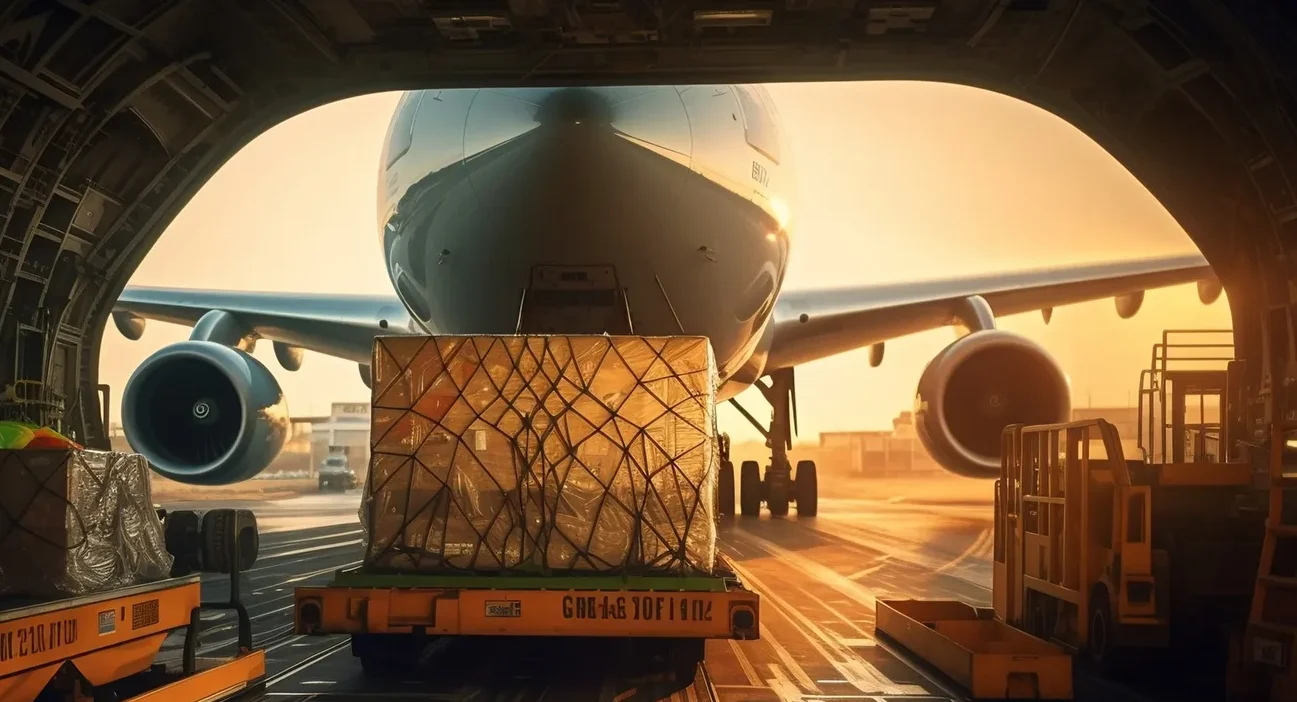
Consolidated air freight, sometimes called groupage air freight, is a shipping method where several smaller consignments are grouped together and transported as one larger shipment.
Rather than paying for an entire air freight movement yourself, you share the available cargo space and associated transport costs with other shippers.
For example, imagine your business needs to ship 150kg of goods from the UK to the USA. Another business has 200kg travelling to the same destination.
Instead of booking separate movements, a freight forwarder can combine both consignments into one larger shipment.
Each business pays for its share of the space, based on factors such as chargeable weight and the agreed service.
It’s a practical way to access international air freight without having to pay for space you don’t need.
How Does Consolidated Air Freight Work?
Although the principle is straightforward, several stages need to come together before your cargo reaches its destination.
1. Cargo collection
Your freight forwarder arranges collection from your premises or supplier. The goods are then taken to a warehouse or consolidation facility.
2. Cargo checks and preparation
Your shipment is checked, measured and weighed. The forwarder also reviews the paperwork, packaging and cargo details to make sure everything is suitable for air transport.
3. Consolidation
Your goods are grouped with other compatible consignments heading towards the same destination or gateway.
4. Export customs clearance
The required export declarations and supporting documents are prepared and submitted. Accurate paperwork helps prevent unnecessary delays.
5. Air freight transportation
The consolidated shipment is moved to the airport and loaded onto the booked flight.
6. Arrival and deconsolidation
Once the cargo reaches its destination, it goes through the import handling process. The consolidated shipment is separated into its individual consignments.
7. Import customs clearance and delivery
Each shipment is cleared through customs before being released for collection or final delivery, depending on the agreed service.
Every stage matters. A delay in documentation, warehouse handling or customs clearance can affect the overall delivery time.
Why Choose Consolidated Air Freight?
The biggest attraction is cost, but there are several other reasons why businesses choose this option.
Booking a dedicated air freight movement for a small consignment can be expensive.
With consolidated air freight, you share the cost of the available space with other shipments. This can make air freight more affordable, particularly when you don’t have enough cargo to justify a larger booking.
You don’t need to ship large volumes to benefit from international air freight services.
Whether you’re sending samples, spare parts, specialist equipment or smaller commercial orders, consolidation gives you another option for reaching overseas customers and suppliers.
Not every business has the same shipping requirements.
Some need regular deliveries of smaller consignments, while others only ship occasionally. Consolidated air freight can provide a practical solution without committing to a full aircraft or dedicated cargo booking.
When planned properly, consolidation can help businesses manage transport costs more effectively.
Rather than paying for unused capacity, you pay for the space your shipment requires.
Of course, the final saving depends on the route, cargo dimensions, chargeable weight, handling requirements and available consolidation services.
Is Consolidated Air Freight Always Cheaper?
Not necessarily.
It’s important to look beyond the headline freight rate when comparing shipping options.
Air freight charges are generally calculated using chargeable weight. This means the airline or freight forwarder considers both the actual weight and the volumetric weight of the cargo.
In simple terms, a large but lightweight shipment may take up more aircraft space than its actual weight suggests.
The higher of the two measurements is normally used to calculate the chargeable weight.
There may also be additional costs for collection, handling, security screening, customs clearance and final delivery.
For very small consignments, minimum charges can also affect the overall price.
This is why it’s worth asking your freight forwarder to compare the total cost of consolidated air freight against other available services.
The cheapest rate isn’t always the best option if it comes with longer waiting times or additional handling costs.
How Long Does Consolidated Air Freight Take?
One question we hear regularly is whether consolidated air freight takes longer than standard air freight.
The answer is that it can.
Although the flight itself may take the same amount of time, consolidation involves additional warehouse and handling stages.
Your shipment may need to wait until enough compatible cargo is available to complete the consolidation. There may also be scheduled cut-off times for receiving goods and preparing export documentation.
Transit times will depend on:
- The origin and destination airports.
- The frequency of available consolidation services.
- Warehouse handling and departure schedules.
- Export and import customs clearance.
- The availability of onward delivery services.
If your shipment is particularly urgent, a direct or dedicated air freight service may be more suitable.
The important thing is to match the shipping method to your delivery deadline.
What Goods Can Be Shipped Using Consolidated Air Freight?
Many types of commercial cargo can move through consolidated air freight services, provided they meet airline and regulatory requirements.
Common examples include:
- Commercial samples and product prototypes.
- Spare parts and replacement components.
- Electronic equipment.
- Clothing and textiles.
- Manufacturing components.
- Retail stock and smaller product orders.
- General commercial goods.
However, not everything can be included.
Dangerous goods, restricted items, temperature-sensitive products and certain high-value shipments may require specialist handling or separate arrangements.
Packaging is also important. Your goods need to be sufficiently protected for transportation and additional warehouse handling.
Always provide your freight forwarder with an accurate description of the cargo before booking.
Consolidated Air Freight vs Direct Air Freight
So, which option should you choose?
It comes down to your shipment size, budget and delivery deadline.
| Consideration | Consolidated Air Freight | Direct Air Freight |
|---|---|---|
| Cost | Shared transport costs | Dedicated booking costs |
| Shipment size | Smaller consignments | Small or large consignments |
| Transit time | May involve additional waiting and handling | Often quicker, depending on the service |
| Flexibility | Depends on consolidation schedules | More control over booking options |
| Best suited to | Cost-conscious shipments | Time-sensitive cargo |
One important point: direct air freight doesn’t necessarily mean your goods have a non-stop flight. It refers to a separately arranged shipment rather than one grouped with other customers’ cargo. Flight routing still depends on the airline and service booked.
When Should You Use Consolidated Air Freight?
Consolidation is worth considering when:
- Your shipment is too small to justify a larger air freight booking.
- You’re looking to reduce international transport costs.
- Your goods aren’t needed immediately.
- You regularly ship smaller quantities to overseas customers.
- You’re importing components or stock from international suppliers.
- You want to balance delivery speed with your transport budget.
On the other hand, if your goods are urgently required, have specialist handling requirements or need a particularly controlled delivery schedule, another air freight service may be more appropriate.
A good freight forwarder will help you weigh up the options rather than simply recommend the cheapest service.
Why Use a Freight Forwarder for Consolidated Air Freight?
Arranging consolidated air freight involves more than finding available space on an aircraft.
Your freight forwarder coordinates the different stages, from collection and warehouse handling to export documentation, customs clearance and final delivery.
They’ll also help you understand chargeable weight, check the paperwork and identify any potential issues before your goods move.
This is particularly useful when you’re shipping internationally for the first time or dealing with multiple suppliers and destinations.
At Future Forwarding Co Ltd, we understand that every shipment has different priorities.
Some businesses need to keep transport costs under control. Others need dependable transit times and regular communication throughout the shipping process.
Our role is to help you find a suitable solution based on your cargo, destination and delivery requirements.
Looking for a More Cost-Effective Way to Ship by Air?
Consolidated air freight can be an excellent option when you need the speed of air transport without paying for an entire shipment booking.
It isn’t necessarily the right choice for every consignment, but when the timing, cargo and destination are suitable, it can offer a sensible balance between cost and delivery speed.
Whether you’re importing goods into the UK or exporting to customers overseas, Future Forwarding Co Ltd can help you explore the available options.
Get in touch with Future Forwarding Co Ltd to discuss your next shipment and find out whether consolidated air freight is the right solution for your business.