
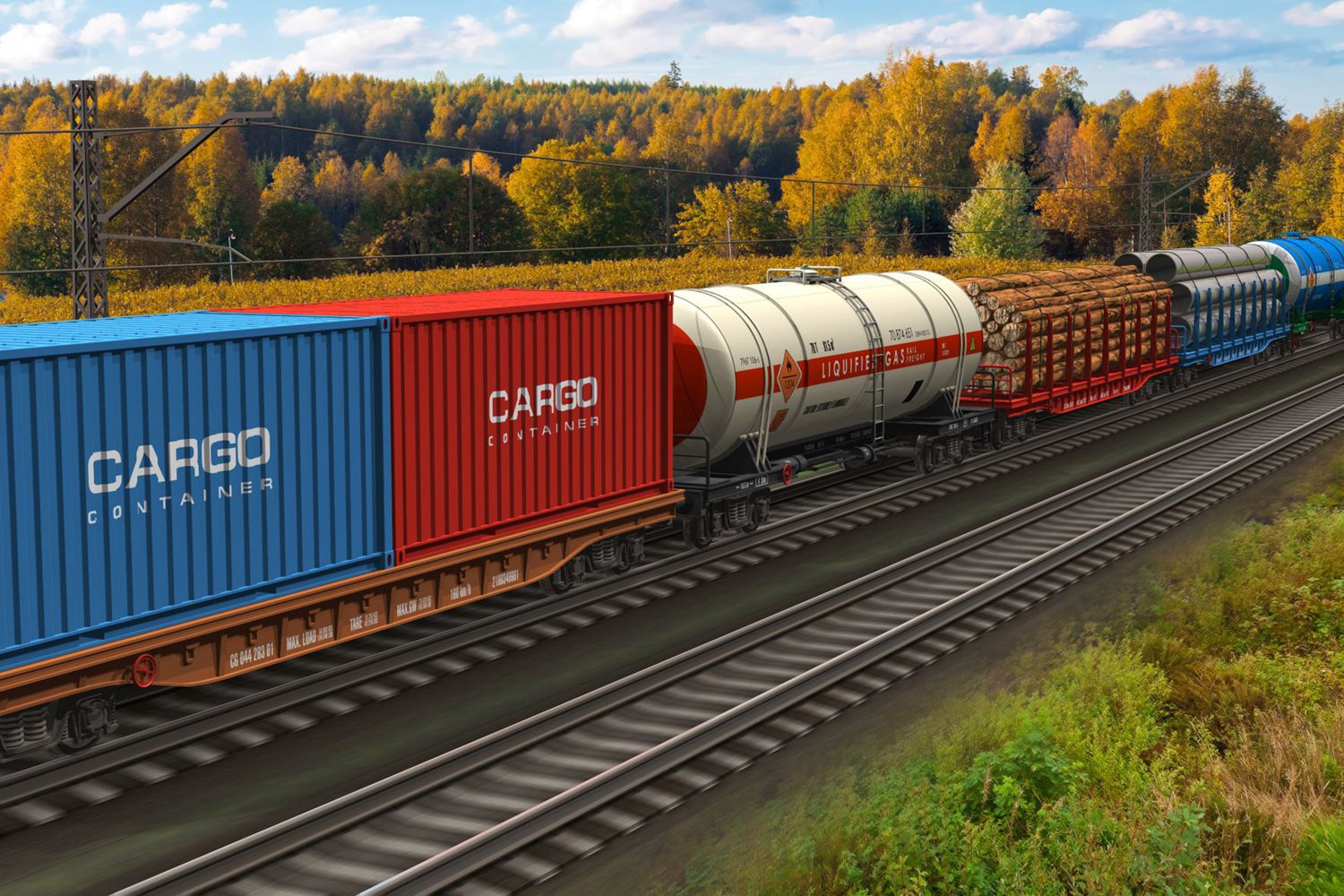
Rail Freight

Rail Freight

Rail freight is a global logistics solution used to move goods efficiently across continents and inland regions using established rail networks. It connects major manufacturing hubs, ports, and distribution centres, offering a reliable alternative to air and sea freight. Businesses choose rail freight because it provides a balance of speed, cost, and consistency, with transit times typically faster than ocean shipping and significantly more affordable than air cargo.
Rail freight is a global logistics solution used to move goods efficiently across continents and inland regions using established rail networks. It connects major manufacturing hubs, ports, and distribution centres, offering a reliable alternative to air and sea freight. Businesses choose rail freight because it provides a balance of speed, cost, and consistency, with transit times typically faster than ocean shipping and significantly more affordable than air cargo.

Rail freight is a global logistics solution used to move goods efficiently across continents and inland regions using established rail networks. It connects major manufacturing hubs, ports, and distribution centres, offering a reliable alternative to air and sea freight. Businesses choose rail freight because it provides a balance of speed, cost, and consistency, with transit times typically faster than ocean shipping and significantly more affordable than air cargo.

Rail freight services support both full container load (FCL) and less than container load (LCL) shipments, making them suitable for everything from large-scale manufacturing to smaller, regular imports. With scheduled departures, lower carbon emissions, and strong intermodal connections, rail freight is widely used by importers, retailers, manufacturers, and supply chain operators looking to improve lead times while controlling transport costs.

Rail Freight Solutions for Every Shipment Type

Rail Freight Popups

Full Container Load (FCL)

Less-than-Container Load (LCL)

Bulk Rail Freight

Temperature-Controlled Rail Freight

Hazardous Goods

Door-to-Door

×

Full Container Load (FCL)

A freight service designed for businesses that ship large volumes of cargo using a dedicated full container. This means one shipment occupies an entire container, providing a secure, efficient, and cost-effective solution for moving goods by rail over long distances.

FCL is widely used in international logistics, particularly for China–Europe and other intercontinental trade routes, where speed, reliability, and cargo safety are essential. By minimising handling at transfer points, FCL reduces the risk of damage, improves transit efficiency, and ensures more predictable delivery schedules. It is an ideal option for importers, exporters, manufacturers, and retailers managing high-volume shipments who need stable freight rates and dependable supply chain performance.

×

Less-than-Container Load (LCL)

A cost-effective solution for businesses that do not have enough cargo to fill a full container. Instead of booking an entire container, shipments are consolidated with other cargo going to the same destination, allowing shippers to share space and reduce overall transport costs.

LCL is used in international logistics and supply chains where flexibility and cost control are important. It offers the same reliability and speed benefits of rail transport while making it accessible for smaller or more frequent shipments. By sharing container space, businesses can optimise freight spend, maintain efficient transit times, and still benefit from secure handling and predictable rail schedules. This makes LCL ideal for SMEs, eCommerce sellers, and importers managing lower-volume but regular cargo movements.

×

Bulk Rail Freight

Specialised freight transport solution designed for moving large volumes of unpackaged or loose cargo, such as coal, grain, aggregates, ores, and minerals. It is widely used across heavy industries, agriculture, construction, and energy sectors that require the efficient and cost-effective movement of high-tonnage goods over long distances.

Bulk freight is known for its high capacity, reliability, and lower cost per tonne compared to road transport, making it ideal for continuous supply chains and large-scale distribution needs. By using dedicated rail wagons, it ensures safe handling of bulk commodities while reducing congestion, fuel costs, and environmental impact. Businesses rely on bulk freight to maintain consistent supply flow, improve logistics efficiency, and support large-volume domestic and cross-border trade.

×

Temperature-Controlled

Specialised rail logistics service designed for the safe transport of temperature-sensitive cargo that must be kept within a controlled climate range throughout the journey. This includes industries such as pharmaceuticals, fresh and frozen food, beverages, chemicals, and other perishable or high-value goods that require strict environmental conditions.

Using refrigerated containers and advanced monitoring systems, temperature-controlled ensures products remain within the required temperature parameters from origin to destination. This helps maintain product integrity, reduce spoilage risk, and meet regulatory compliance standards across international supply chains. It is a reliable and cost-efficient solution for businesses that need consistent cold chain logistics over long distances, combining the stability of rail with precise temperature management for sensitive cargo.

×

Hazardous Goods

A specialised freight service designed for the safe, compliant, and secure transportation of dangerous goods and regulated materials. This includes chemicals, flammable substances, industrial gases, and other hazardous cargo that must be handled in accordance with strict international transport regulations.

Hazardous goods freight provides enhanced safety measures, certified packaging standards, and controlled handling procedures to ensure full compliance with ADR and other relevant regulations. By using dedicated rail wagons and secure containment systems, it significantly reduces the risks associated with transporting dangerous cargo over long distances. This service is widely used by chemical manufacturers, industrial suppliers, and energy sector businesses that require a reliable, compliant, and cost-effective solution for moving hazardous materials within domestic and international supply chains.

×

Door-to-Door

A fully managed logistics service that covers the entire transport process from collection at the origin to final delivery at the destination. It combines rail for the long-haul journey with road transport for first-mile pick-up and last-mile delivery, creating a seamless end-to-end shipping solution.

This service is widely used in international supply chains, including China–Europe freight routes, where businesses need a simplified and efficient way to move goods across multiple transport modes. Door-to-door rail freight reduces handling, improves transit visibility, and eliminates the complexity of coordinating multiple carriers. It is ideal for importers, exporters, retailers, and manufacturers looking for a reliable, cost-effective freight forwarding solution that ensures cargo arrives safely, on time, and with minimal disruption throughout the entire logistics chain.


Rail Freight China to UK – Multiple Weekly Departures

Contact us for the Latest rates available for LCL / FCL via Rail

ServiceRouting FromRouting toTransit Time
LCLXI’AN ChinaLondon UK25 Days
FCLXI’AN ChinaLondon UK22-25 Days

Intermodal Rail Freight

A logistics solution that moves cargo using multiple modes of transport, typically rail and road, without handling the goods themselves when transferring between modes. Instead, the cargo remains securely within the same container throughout the journey. This makes intermodal rail freight ideal for containerised shipments, reducing the risk of damage, improving security, and speeding up transit times.

Widely used in both international and domestic supply chains, intermodal rail freight offers a cost-effective and flexible way to transport goods over long distances. It combines the efficiency of rail freight for the main haul with the accessibility of road transport for final delivery. Businesses choose intermodal solutions to reduce shipping costs, improve reliability, and maintain better control over cargo from origin to destination.

End-to-End Rail Freight Solutions

More than just transport

Rail freight works best when it’s part of a complete logistics strategy. That’s where we come in.

We manage:

  • Route planning and optimisation
  • Carrier coordination
  • Documentation and customs
  • Cargo tracking and visibility
  • Final delivery and distribution

You get one point of contact. One streamlined process. No gaps between modes.

Looking for a Rail Freight Quote?

If you’re moving cargo from China to the UK or managing inland distribution across the USA, rail freight can give you the balance your supply chain needs.

Get in touch today for a tailored quote and route plan.


Frequently Asked Questions (FAQ)?

What is rail freight and how does it work?

The transportation of goods using rail networks, typically in shipping containers that are moved between origin and destination via train. It often works as part of an intermodal system, where cargo is collected by truck, transported long-distance by rail, and then delivered by road for final distribution. This makes rail freight a reliable and efficient option for domestic and international logistics

How long does rail freight from China to the UK take?

Rail freight from China to the UK generally takes around 20-25 days, depending on the specific route, customs clearance, and service type. It is significantly faster than sea freight, which can take 30 to 40 days, while remaining more cost-effective than air freight for many types of cargo.

What are the main advantages of rail freight shipping?

The key benefits of rail freight include faster transit times compared to sea freight, lower costs compared to air freight, and improved reliability due to fixed rail schedules. It also offers high cargo security, reduced handling, and lower environmental impact, making it a strong option for modern supply chains.

What types of goods can be transported by rail freight?

Rail freight can handle a wide range of cargo, including electronics, machinery, automotive parts, textiles, retail goods, industrial equipment, and temperature-sensitive products. It is also suitable for bulk commodities such as minerals, grain, and raw materials, depending on the service type.

What is the difference between FCL and LCL rail freight?

Full Container Load (FCL) rail freight uses a dedicated container for a single shipment, making it ideal for high-volume cargo with faster handling and reduced risk. Less-than-Container Load (LCL) rail freight combines multiple shipments into one container, allowing smaller shipments to share space and reduce overall shipping costs.

Is rail freight suitable for international shipping?

Yes, rail freight is widely used for international shipping, especially on major trade routes such as China to Europe. It connects inland manufacturing hubs with global markets and is often integrated with road and sea transport to provide complete door-to-door logistics solutions.

For a call back get in touch:

Contact Us

Ⓒ Future Forwarding 2026. All rights reserved.
Terms of use | Privacy policy | Sitemap | Web Design by Cocoonfx